


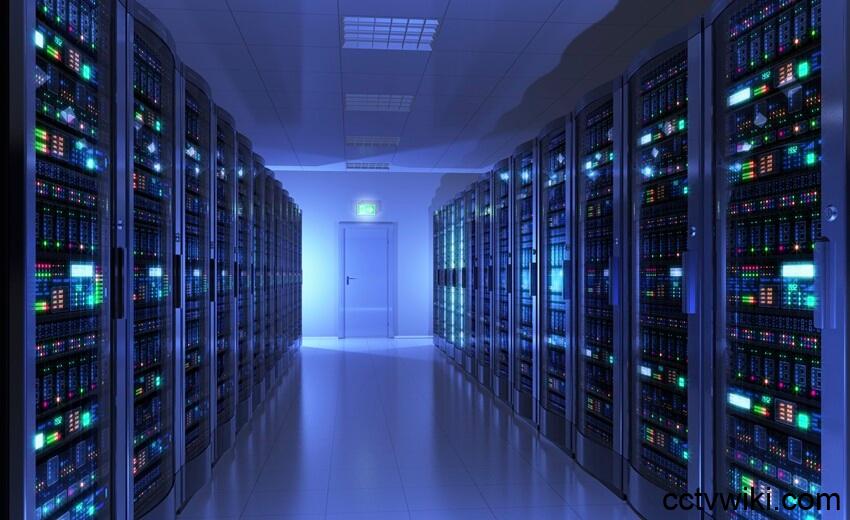
Data centers are the pulsating heart of today’s digital economy, an indispensable bedrock for cloud services, artificial intelligence, and global connectivity. As our reliance on these technologies intensifies, so too does the imperative for data centers to operate with unwavering security, resilience, and operational continuity.
Unlike traditional commercial settings, data centers demand near-perfect execution; a single lapse in security can trigger a cascade of severe consequences, from service outages and regulatory infringements to irreparable damage to customer trust. This stark reality has propelled security from a mere supporting function to an absolute, mission-critical operational priority.
Managing Complexity Across Every Layer
One of the most formidable challenges in data center security lies in orchestrating access across diverse environments, each presenting a unique risk profile. A single facility might encompass general plant areas, highly restricted data halls, and individual tenant cages, with each zone demanding its own tailored level of control.
This intricate landscape necessitates precise, role-based access that can dynamically adapt to a broad spectrum of users. Employees, contractors, and tenants all require distinct permissions, often spanning multiple zones. The consistent enforcement and meticulous auditing of these access privileges are not merely important; they are absolutely essential.
Compounding this complexity is the persistent reliance on legacy systems within many facilities. These often fragmented environments typically separate platforms for access control, video surveillance, and alarm monitoring. Such fragmentation breeds inefficiencies, inflates administrative burdens, and severely limits comprehensive visibility across the entire site.
A Multi-Layered Defense Strategy
To tackle these multifaceted challenges, data centers universally adopt a layered security model, extending its protective embrace from the outermost perimeter to individual server racks.
At the external boundary, sophisticated measures such as vehicle access control, crash-rated barriers, and advanced perimeter intrusion detection systems offer critical early warning and robust deterrence. These proactive systems are engineered to neutralize threats long before they can even approach the building itself.
As security transitions inside the facility, it becomes progressively more granular. Multi-factor authentication is a ubiquitous standard, frequently integrating access cards with advanced biometric verification methods like fingerprint or facial recognition. Crucially, interlocks are strategically installed in sensitive areas to prevent “tailgating” and ensure strictly controlled entry.
Movement throughout the site is meticulously managed. Every door effectively functions as a checkpoint, with access to data halls, tenant cages, and critical equipment under stringent control. This meticulous oversight is continuously bolstered by comprehensive video surveillance and intrusion detection systems, providing constant monitoring and real-time alerts.
Evolving Beyond Siloed Security Systems
While a layered security architecture remains fundamental, the methodology for managing these intricate systems is undergoing a profound transformation. The traditional approach of siloed systems is proving increasingly unsustainable as data centers expand in both scale and complexity.
There’s a definitive industry-wide pivot towards unified platforms that consolidate access control, video surveillance, alarms, and environmental monitoring into a single, cohesive system. This integrated strategy significantly reduces redundancy, streamlines administrative tasks, and dramatically enhances overall site visibility.
More importantly, this convergence empowers operators to respond to security incidents with unprecedented coordination. Instead of sifting through disparate systems, teams can now visualize unfolding events within a complete, contextual framework. An access violation can be instantly correlated with video footage, alarms can automatically trigger predefined workflows, and operators can initiate immediate action without critical delays.
This elevated level of integration fosters swifter decision-making and substantially mitigates the risk of overlooking or misinterpreting critical events.
Bolstering Operations and Sustainability Goals
Beyond security, unified platforms are increasingly instrumental in driving operational efficiency. By seamlessly integrating with building management systems, they offer powerful tools to optimize facility operations.
For instance, occupancy data gleaned from access control systems can be leveraged to dynamically adjust lighting or HVAC systems in real-time. This smart optimization not only reduces energy consumption but also ensures the precise environmental conditions vital for sensitive equipment.
Environmental monitoring stands as another crucial capability. Consolidating data on temperature, humidity, smoke, and power status into a unified interface empowers operators to identify and address issues far more rapidly. It also eliminates the cumbersome need to monitor multiple separate systems.
As sustainability targets gain increasing prominence across the industry, this sophisticated level of integration is becoming an invaluable component of the broader security discourse.
Selecting the Optimal Platform
The process of choosing a security platform for a data center extends far beyond a simple feature comparison. Operators must meticulously evaluate how effectively a system supports regulatory compliance, seamless integration, and long-term scalability.
Industry standards such as ISO 27001 and SOC 2 are often mandatory, particularly within multi-tenant environments. Robust integration capabilities are equally vital, ensuring the platform can effortlessly synchronize with identity management systems, visitor management solutions, video surveillance, and key management systems.
Flexibility in access control is paramount. Systems must possess the agility to manage complex scenarios, including temporary access for contractors and multi-layered permissions across various security zones.
A growing number of operators are also embracing hybrid architectures. These innovative designs allow core security systems to reside on-site while leveraging cloud-based services for tasks such as credential management and visitor workflows. This strategic approach strikes an optimal balance between granular control and operational flexibility.
A More Connected Security Paradigm
As data centers continue their relentless expansion, the demand for truly integrated and intelligent security solutions will only intensify. The definitive shift towards unified platforms mirrors a broader evolution in how security is perceived. It’s no longer solely about deterring unauthorized access; it’s fundamentally about enabling streamlined operations, fostering trust with customers, and building a foundation for sustainable growth.
Cutting-edge solutions, like Gallagher’s platform, embody this forward-thinking direction, converging multiple critical security functions within a cohesive, single architecture. By drastically reducing complexity and dramatically improving visibility, these systems empower operators to maintain absolute control in environments where precision, reliability, and resilience are non-negotiable.
In this transformative context, security transcends its traditional role as a mere safeguard; it becomes the indispensable cornerstone for unparalleled performance, unwavering resilience, and enduring success.
Discover more about how modern security solutions are revolutionizing data center protection here.