


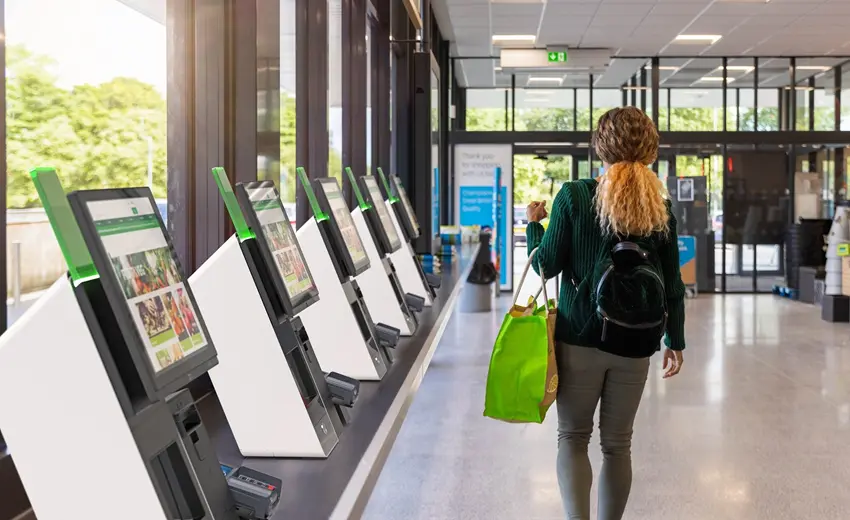
A groundbreaking study, “The Evolution of Self-Checkout in Australia: Insights from Retailers and Consumers,” spearheaded by IDC and sponsored by Diebold Nixdorf, has unveiled a seismic shift in the Australian retail sector. The report dissects how self-service technologies are not merely a convenience but a strategic imperative, redefining customer experiences and propelling retailers towards unprecedented efficiency and revenue growth.
The comprehensive insights are drawn from two extensive IDC online surveys conducted across Australia in early 2025. These involved a robust sample of 1,000 consumers and over 180 retailers spanning diverse segments, including Food and Beverage, Grocery, Fashion and Apparel, and Fuel and Convenience, painting a holistic picture of the evolving retail ecosystem.
Australian Shoppers Embrace Autonomy, Demand Seamless Experiences
The study’s findings reveal a clear preference: more than two-thirds of Australian consumers now favor self-checkout. This inclination is particularly strong when shoppers are alone, pressed for time, or seeking to circumvent lengthy queues. However, this embrace comes with expectations. Shoppers voiced frustrations over checkout delays, trust concerns, and inflexible systems. Their ideal in-store experience includes intuitive assistance when needed, support for a wide array of payment methods, and greater control over their purchasing journey.
Stephanie Krishnan, Associate Vice President at IDC Asia/Pacific, underscored the gravity of these findings: “For today’s shoppers, speed, privacy, and control are non-negotiable. This means that retailers are at a point where they must eliminate delays, build trust, and offer flexible, seamless checkout experiences, or risk losing customers at the final step of the journey.”
Retailers Innovate with AI and Hybrid Models
The good news for the industry is that Australian retailers are demonstrably on the right trajectory. Self-service checkout is firmly embedded in their strategic planning. Despite an impressive 95% satisfaction rate with current self-service technology, retailers are actively seeking further innovation. Their next wave of investment prioritizes AI-driven engagement, faster payment processing, and enhanced security measures.
AI technology, in particular, is emerging as a critical game-changer. Modern Smart Vision solutions are being deployed to combat “shrinkage” (theft), mitigate common friction points at checkout – especially for age-restricted items or non-barcoded fresh produce – and enhance in-store safety. This is achieved by leveraging cameras mounted on checkout devices and existing video surveillance networks to analyze behavior and activities in real-time.
Furthermore, innovative checkout concepts, such as hybrid models, are gaining traction. These allow for an “all lanes open, all of the time” approach, utilizing flexible systems that can effortlessly switch between self-service and traditionally attended modes.
Kristie Longhurst, General Manager, Retail for Australia and New Zealand at Diebold Nixdorf, highlighted the multifaceted benefits of these advancements: “We see more retailers investing in AI technology and hybrid checkout models. This has been resonating well with consumers and also helps combat additional key challenges retailers are currently facing, like improving in-store process efficiency and increasing workplace attractiveness, as it is becoming harder and harder to attract and retain store staff. AI-powered checkout solutions that are reliable and easy to service combined with hybrid checkout lane concepts enable them to focus on consumer service and more value-added tasks.”