
 Check Port Open
 Disk Calculator
 Camera Calculator
 DMSS QR Generator and Decoder
 Super Password
 CCTV Quiz
 Facebook Profile Search

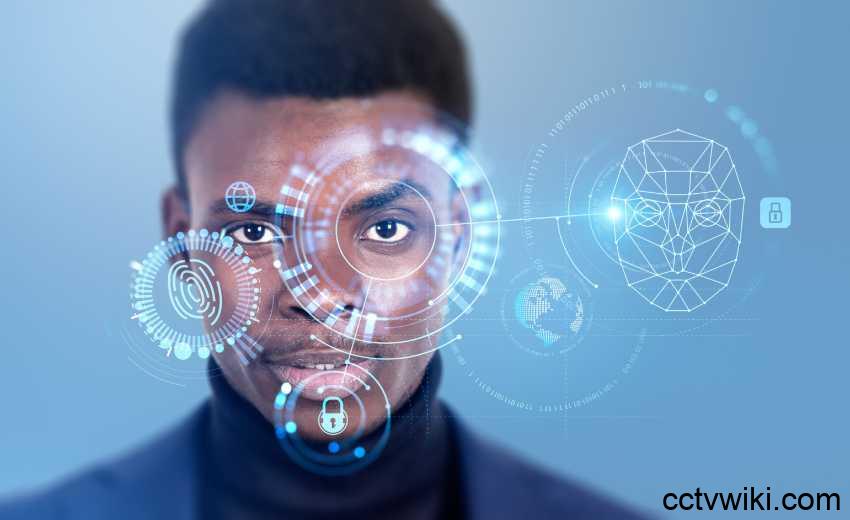
In an era of escalating cyber threats and sophisticated fraud, organizations are continually searching for more resilient ways to verify identity. For physical security professionals, this quest increasingly points to the rise of multimodal biometric systems, which combine multiple identifiers instead of relying on a singular method.
While biometric authentication has long been a staple in high-security environments like government facilities and border control, its adoption is rapidly expanding into diverse new sectors. This broader deployment is fueled by significant advancements in artificial intelligence, enhanced sensor technology, and more robust spoof detection capabilities.
Yet, despite the buzz around cutting-edge innovations, industry experts emphasize that the most practical and widely adopted technologies today remain the established leaders: fingerprint and facial recognition.
Daniel Asraf, VP of Product Management and Innovation at HID, notes a clear trend: organizations are proactively exploring multimodal systems as their security requirements demand higher levels of assurance. “Multimodal biometrics are gaining traction,” Asraf stated. “Industry data shows that adoption is rising, reflecting wider acceptance of combining modalities for higher security and resilience against spoofing.”
Multimodal Authentication Moves Beyond Niche Deployments
Historically, multimodal biometrics were reserved for environments where the stakes of identity fraud were exceptionally high. Think national ID programs, intricate law enforcement databases, and critical border security systems, where impeccable accuracy and unwavering reliability are paramount.
However, this sophisticated technology is now steadily infiltrating commercial sectors, finding broader applications across various industries.
“Research by DiMarket projects strong growth into the next decade, primarily driven by government ID programs, banking, border security, and criminal justice applications where accuracy and fraud resistance are critical,” Asraf elaborated.
For physical security integrators, this burgeoning trend signals a growing demand for solutions that seamlessly blend multiple authentication methods within a unified system. Rather than placing all trust in a single biometric identifier like a fingerprint, multimodal platforms intelligently combine several modalities. This layered approach dramatically reduces the risk of spoofing and significantly improves overall accuracy. Such architectures also inherently provide redundancy; should one biometric identifier falter due to environmental conditions or capture issues, a secondary modality can still ensure successful authentication.
High-Security Sectors Lead Adoption
Despite the expanding interest, multimodal biometrics continue to see their most prevalent deployments in sectors where identity security is unequivocally mission-critical.
Asraf highlighted that organizations choose multimodal authentication when the potential consequences of identity fraud are particularly severe. “From HID’s perspective, multimodality is invaluable for mission-critical use cases where security simply cannot be compromised,” he affirmed.
The financial services industry offers a compelling illustration. Banks in several key markets are beginning to integrate multimodal biometric verification into their customer authentication workflows.
“For example, in markets like Brazil, banks are evolving beyond single-factor fingerprint checks at ATMs,” Asraf explained. “They are now adopting multimodal authentication that combines fingerprints with facial recognition.”
These deployments vividly demonstrate how institutions are fortifying identity verification in environments where traditional single-factor biometric authentication might no longer offer sufficient protection. “These deployments tend to emerge where the security stakes are highest, and organizations recognize the clear value in strengthening authentication beyond a single modality,” Asraf added.
For integrators operating within the financial, government, and critical infrastructure sectors, this shift presents fertile ground for new opportunities. It encourages the deployment of integrated identity solutions that expertly merge biometric verification with advanced access control systems and comprehensive identity management platforms.
Established Modalities Remain Dominant
While emerging biometric technologies frequently capture headlines and spark interest, industry experts consistently underscore that the modalities delivering the most practical value today continue to be fingerprint and facial recognition.
According to Asraf, these proven technologies consistently strike the optimal balance between robust performance and seamless user experience. “Today, fingerprint and face remain the strongest modalities — combining accuracy, speed, scalability, and user acceptance,” he asserted.
These characteristics are especially vital for physical security systems that must perform reliably in high-throughput environments, such as bustling corporate campuses, major transportation hubs, and large public facilities. Biometric systems deployed in such settings must verify identities with swiftness and precision, all while maintaining a low false acceptance rate. Crucially, the authentication process must also remain convenient and intuitive for users.
“They consistently provide high security while enabling the frictionless experiences customers expect,” Asraf said. For security integrators, this delicate balance between uncompromising security and essential usability is often the deciding factor in whether a biometric solution can be successfully implemented.
AI Advancements Strengthen Core Biometric Technologies
Much of the recent surge in biometric performance can be directly attributed to groundbreaking advancements in artificial intelligence (AI) and machine learning (ML). AI-based algorithms are not only dramatically improving the accuracy of biometric matching but also enabling significantly stronger defenses against sophisticated spoofing attacks.
“As these mature modalities continue to advance, a growing gap has emerged between what works in practice and what is merely promising on paper,” Asraf noted, highlighting the practical impact of these innovations.
Improvements in image processing, the quality of sensor technology, and the rise of edge computing are further enhancing biometric performance. Advances in edge processing, for instance, allow biometric matching to occur directly on the device itself, eliminating the need for constant cloud connectivity. This innovation not only reduces latency but also significantly strengthens privacy protection by keeping sensitive biometric data localized within the system. Simultaneously, enhanced spoof detection technologies are becoming increasingly adept at identifying attempts to deceive sensors with fake fingerprints or images.
For security professionals, these ongoing improvements mean that existing biometric technologies are becoming progressively more capable, often without requiring the wholesale adoption of entirely new modalities.
Emerging Modalities Face Practical Challenges
While research into novel forms of biometric identification continues unabated, many of these emerging technologies still face significant hurdles when it comes to large-scale deployment. Iris recognition serves as a prime example.
“Iris recognition, for example, offers strong technical performance but still suffers from poor usability and demanding capture conditions, which is why adoption remains limited,” Asraf explained. Capturing high-quality iris images frequently necessitates precise alignment and specialized sensors. In dynamic, real-world environments where users might be in motion or lighting conditions fluctuate, achieving consistent and reliable capture can prove exceptionally challenging.
“Similarly, gait analysis, behavioral signatures, and other experimental modalities often attract attention, yet remain inconsistent or too intrusive for broad deployment,” Asraf added. These technologies may still find specialized roles in niche applications, particularly where continuous authentication is a requirement. However, their inherent limitations currently render them less suitable for mainstream access control and widespread identity verification systems.
Practical Deployment Considerations for Integrators
For system integrators tasked with designing biometric-based access control or identity verification systems, the core challenge lies in meticulously balancing security, convenience, and scalability. The biometric modalities that ultimately succeed are those capable of meeting all these requirements simultaneously.
“From HID’s perspective, the modalities that succeed long-term are those that balance accuracy with convenience,” Asraf emphasized. If biometric authentication proves to be too slow, overly complex, or excessively intrusive, users are likely to resist adoption. Conversely, systems that prioritize convenience without upholding stringent security controls risk failing to meet critical organizational requirements.
This delicate balance becomes even more crucial in large-scale deployments, where thousands of users interact with the system daily. Biometric systems must maintain consistent, reliable performance across diverse environments, including both indoor and outdoor installations, varying lighting conditions, and high user throughput.
For many organizations, combining multiple authentication methods offers the most practical and effective solution. Multimodal biometric systems can significantly enhance security while simultaneously preserving usability by enabling flexible authentication workflows. For instance, users might authenticate primarily with facial recognition during routine operations, while fingerprint verification could serve as a secondary factor when heightened assurance is required.
Outlook for Biometric Authentication
Looking ahead, biometric authentication is poised to remain a foundational component of identity security systems across numerous industries. Growth will likely continue to be driven by sectors where robust identity verification plays a critical role, including government services, financial institutions, and border control.
Concurrently, ongoing improvements in AI, edge processing, and sensor technology are expected to further elevate the performance capabilities of existing biometric modalities. For physical security professionals, the key takeaway is that innovation in biometrics extends beyond entirely new technologies; significant advancements are also occurring within established modalities that already enjoy widespread adoption.
Until emerging biometric technologies can reliably deliver the same compelling combination of accuracy, usability, and scalability, fingerprint and facial recognition are anticipated to remain the dominant authentication methods. “Until emerging technologies can meet that threshold reliably and at scale, fingerprint and face will remain the most trusted, deployable, and user-friendly options for secure identity,” Asraf concluded.
As multimodal systems continue to mature and evolve, integrators and security consultants will increasingly be called upon to design sophisticated identity solutions that seamlessly combine biometric verification with broader access control and comprehensive security platforms. In doing so, they will play an indispensable role in empowering organizations to strengthen identity assurance while consistently maintaining seamless and intuitive user experiences.
