
 Check Port Open
 Disk Calculator
 Camera Calculator
 DMSS QR Generator and Decoder
 Super Password
 CCTV Quiz
 Facebook Profile Search

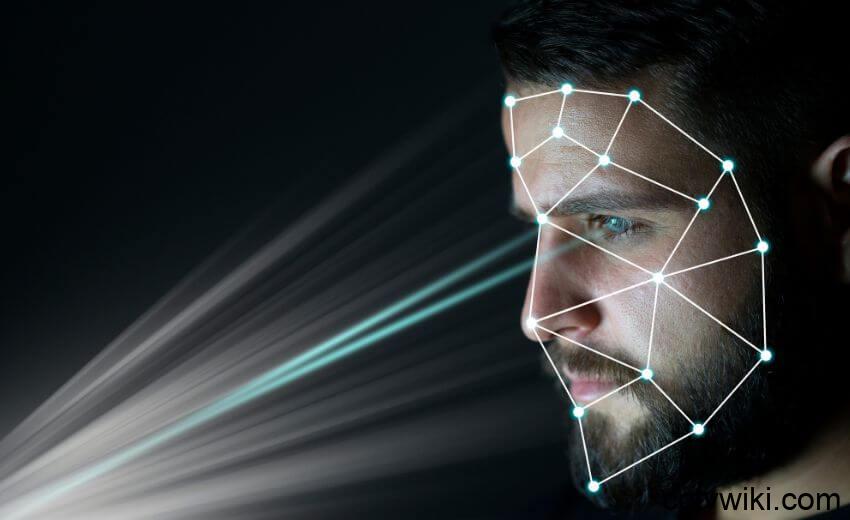
Biometrics are no longer a futuristic concept; they are fundamentally reshaping the access control landscape, wielding an increasingly significant real-world impact. Biometric access control leverages unique personal biological traits, individually or in combination, to reliably verify identities. This transformative technology is experiencing a monumental surge, with Grand View Research projecting the global biometrics market to soar from US$34.27 billion in 2022 to an astounding US$150.58 billion by 2030, demonstrating a robust CAGR of 20.4%.
As the conversation around biometric security intensifies, asmag.com proudly presents this comprehensive resource guide. Drawing from our extensive archive of exclusive articles and supplier insights, this guide aims to deepen your understanding of biometric access control, exploring its diverse applications and spotlighting cutting-edge solutions.
Table of contents
What is biometric access control
What are different types of biometrics used in biometric access control
Unimodal vs. multimodal biometric access control
What are some of the common applications for biometric access control?
Featured biometric access control solutions
What is Biometric Access Control?
At its core, biometric access control is the sophisticated process of verifying an individual’s identity through their unique biological characteristics. This represents the “what you are” factor in the triad of authentication methods—contrasting with “what you have” (like a key card) and “what you know” (like a password). The efficacy of these systems is critically measured by their False Acceptance Rate (FAR), which indicates incorrect access grants, and False Rejection Rate (FRR), representing legitimate users being denied access. Advances in Artificial Intelligence (AI) have dramatically enhanced accuracy, particularly in facial recognition, enabling verification even with masks or significant facial hair. However, persistent challenges include sophisticated faking and spoofing attempts, which have spurred an ongoing AI “arms race” to stay ahead. Furthermore, the ethical and secure collection and utilization of sensitive biometric data remain paramount concerns.
Related articles
- From keys to cognition: The rise of intelligent access control
- Use these top access control solutions to protect industrial sites
- Countering deepfakes: How AI can play a key role
Exploring Diverse Biometric Modalities in Access Control
The human body offers a rich tapestry of unique biological traits, each a potential key for secure access. While fingerprint solutions stand as the venerable pioneers, remaining the most common form of biometric identification, a new generation of contactless methods is rapidly gaining prominence. Facial recognition, iris scans, and palm authentication have surged in popularity, particularly in the wake of global health crises, offering hygienic and efficient access. Beyond these mainstream options, less common but promising modalities like voice, gait, and even emotion recognition are emerging. These advanced biometrics unlock powerful possibilities when integrated with broader security ecosystems, such as IoT and video surveillance, allowing for sophisticated tracking and reconstruction of user movements across various access points.
Related articles
- ZKTeco: Unlocking new frontiers amid industry in constant transformation
- Neurotechnology wins UIDAI Biometrics SDK Benchmarking Challenge 2025
- ICT announces upgraded integration with Suprema biometrics devices
The Power of Combination: Unimodal vs. Multimodal Biometrics
While single-factor, or unimodal, biometric solutions have long been the standard, the industry is rapidly shifting towards multimodal biometric access control. These advanced systems ingeniously combine two or more biometric identifiers to compensate for the inherent limitations of individual methods. For instance, while facial recognition might grapple with issues of racial bias, or certain individuals may have unidentifiable fingerprints, multimodal approaches like fingerprint-face or face-iris combinations offer a powerful corrective. This synergistic deployment significantly boosts accuracy, reliability, and inclusivity, ensuring robust authentication for a wider user base. Even closely related biometrics, such as palm print and palm vein recognition, can be expertly paired to achieve unparalleled precision.
Related articles
- The rise of multimodal biometrics and the challenges they present
- Palm recognition without limits: Armatura introduces ARMLivePalm 9.6 SDK Bi-Modal Palm Recognition
- How 3D imaging gives facial recognition a facelift
Real-World Impact: Key Applications of Biometric Access Control
Biometric solutions are transforming operational efficiency and security across numerous sectors. Their most prevalent applications include seamless access control and precise time attendance tracking. Imagine an employee arriving at the office: a quick fingerprint scan automatically opens the gate and logs their presence directly into the HR system. Beyond simple entry, access control profiles are increasingly interwoven with broader IT infrastructure, managing everything from physical access to Wi-Fi user rights.
In sectors demanding uncompromising security, biometrics offer unparalleled advantages. Airports, for instance, are rapidly adopting facial recognition to streamline passenger journeys, from expediting immigration by comparing live facial scans with biometric passport data, to eliminating manual checks at boarding gates. Financial institutions leverage facial recognition for robust authentication, safeguarding sensitive transactions. In healthcare, contactless biometrics have become invaluable, promoting superior hygiene and mitigating the risk of disease transmission within critical environments.
Related articles
- Biometric access control in healthcare: Balancing security and patient privacy
- Mobile access and visitor management redefine security experience in mixed-use buildings
- Also don’t forget to download your free copy of our “Security is just the Beginning” white paper in cooperation with Gallagher Security
Spotlight: Leading Biometric Access Control Solutions
Biometric access control manifests in various forms, from tangible hardware like advanced readers and modules to sophisticated software-based solutions for facial detection and identification. Here, we delve into some of the groundbreaking biometric access control solutions prominently featured on asmag.com.
Suprema BioStar X
Suprema’s BioStar X emerges as a formidable AI-powered unified security platform, meticulously engineered to integrate biometric access control, video surveillance, and alarm management into a cohesive, singular interface. This innovative platform harnesses AI-driven video intelligence, offering real-time detection of critical events such as tailgating, loitering, and falls. Embodying a “secure by design” ethos, BioStar X rigorously complies with cutting-edge global cybersecurity standards, guaranteeing that all biometric templates are robustly encrypted. Its open API architecture ensures exceptional scalability, facilitating effortless integration with diverse third-party systems, including ERP, HR, and building IoT sensors.
ZKTeco Zophon-S1000
The ZKTeco Zophon-S1000 stands out as an Android-based modular access control unit, masterfully consolidating facial recognition, palm verification, QR codes, and RFID authentication into a single, streamlined device. Conceived to minimize “hardware clutter,” this versatile unit can be seamlessly integrated into ZKTeco’s Saturn Series gates or effortlessly retrofitted into existing third-party infrastructure. Driven by the cutting-edge ZKFace and PalmElite AI algorithms, the Zophon-S1000 boasts an impressive capacity, managing up to 100,000 faces and 50,000 palms. It leverages edge AI for rapid offline matching and secures data with robust AES-256 encryption, ensuring top-tier cybersecurity.
Salto XS4 Face
The Salto XS4 Face terminal champions a crucial balance between high-speed facial recognition and stringent user privacy. A standout feature of this system is its commitment to data security: it immediately converts facial images into encrypted templates and then permanently deletes the original source image, effectively minimizing data risks. This solution also simplifies user onboarding with remote self-enrollment, enabling individuals to register conveniently via a selfie on their mobile devices. Functioning within the broader Salto ecosystem, the XS4 Face extends its capabilities beyond facial recognition to support mobile keys, RFID cards, and PIN codes, all while incorporating advanced liveness detection to thwart sophisticated spoofing attempts.
HID Integration Service
Pioneering a shift towards software-driven security, the HID Integration Service emerges as a robust Integration Platform-as-a-Service (IPaaS). This innovative offering is expertly designed to forge a seamless bridge between disparate physical and cybersecurity domains. It empowers developers and integrators to effortlessly link biometric access control hardware with sophisticated digital identity management systems, all facilitated by a comprehensive, scalable integration layer. By offering a suite of pre-built integrations, the service dramatically cuts down the cost and complexity typically associated with managing custom-built connections. This platform is an ideal solution for organizations striving to unify data collection and optimize user experiences across their multifaceted security infrastructure.
Editor’s note: This article has been updated from a previous 2023 version to reflect the latest industry developments.
